Seaside Dining

Seaside Dining with Kids: A Practical Checklist for Stress-Free Meals
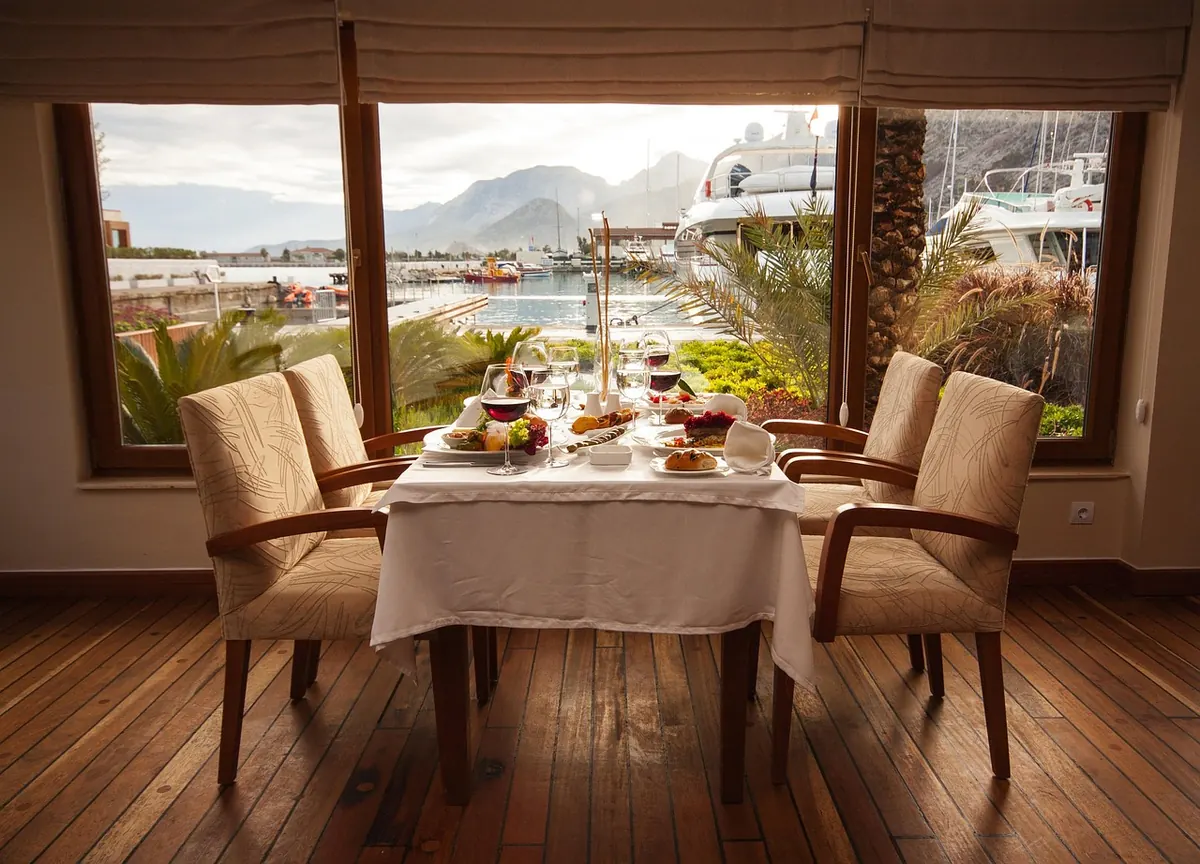
There is a particular optimism in booking a table by the water with children. You picture the light going gold, a plate of grilled fish, a child happily dragging bread through olive oil. Sometimes that is exactly what happens. More often, the meal works because of a few unglamorous decisions made before anyone sits down: when you booked, which table you took, what came out of the bag first.
Eating by the sea with kids is not a test of patience. It is a logistics problem with a very good view, and logistics can be planned. What follows is the checklist worth running through before you leave the house.
Book the Child's Best Hour, Not the Sunset
Coastal kitchens run on two clocks: the holiday clock, which peaks late, and the family clock, which peaks at six. If you are dining with small children, the family clock wins.
Book lunch for 12:00 or 12:30 and dinner for the first sitting. Call and ask when the kitchen actually starts serving rather than trusting the hours on a website or a map listing — plenty of seaside places open their doors at seven but send out the first plates at half past, which is already too late for a five-year-old who has been in salt water since morning.
Aim to be seated twenty to thirty minutes before the moment your child usually starts to fray, not at it. If that means eating while the terrace is half empty and the sun is still high overhead, take the trade. The view will keep.
Give a light snack about three quarters of an hour before you leave: bread, fruit, a few crackers. Not enough to spoil the meal — just enough to take the edge off. A hungry child at a table where food takes twenty-five minutes to appear is a child who will remember the evening for the wrong reasons. And when you do sit down, say it plainly: could the children's food come out as soon as it is ready? Most kitchens will oblige without a second thought.
The first ten minutes, in order
- Order water and bread before anything else, so there is something on the table immediately.
- Confirm the shade. If the umbrella is folded or the awning does not reach your table, ask to move now, not after the sun shifts.
- Order the children's dishes first, then your own. The order in which you speak is the order the kitchen often cooks.
- Point out the bathroom, and agree that nobody leaves the table alone.
- Decide which adult is on water duty if the table sits near steps, rocks or the edge of a jetty.
Choose the Table Before You Choose the View
A table in full sun with a perfect panorama is not the best table in the house. It is the table where the meal ends early. Ask for shade — a pergola, an awning, a big umbrella, a wall that throws a shadow after five — and accept a slightly worse view to get it.
Late lunch and early dinner both keep you out of the strongest sun, which matters more than most people plan for. Hats with a brim, a thin long-sleeved shirt over swimwear and sunscreen applied before you arrive will do more for the mood than any activity you bring. Reapply at the table if you are staying a while, and remember that a child in and out of the water needs it more often than one sitting still.
Wind deserves a mention too. On an exposed terrace, napkins, paper menus and light plastic cups become airborne within minutes. A corner table sheltered by a glass screen or a wall is worth asking for. And think hard about proximity: a table two metres from the water's edge is lovely in a photograph and exhausting with a toddler, because you will spend the entire meal with one hand on a small shoulder.
Ordering for Small, Suspicious Appetites
Scan the menu for plain building blocks rather than complete dishes: grilled fish, rice, plain pasta, bread, tomatoes, mozzarella, fruit. Almost every coastal kitchen can produce a small bowl of pasta with olive oil and grated cheese even when it is not listed, and most will plate it without a sigh.
Ask for sauces and dressings on the side. Ask whether the children's menu is mostly fried — it often is — and whether a half portion of something from the main menu is possible. Sharing one reliable dish plus one small thing to try is a good ratio: it keeps the table calm and still leaves room for a first taste of something new.
Keep water in front of them from the moment you sit down, and go easy on sweet drinks, which fill small stomachs quickly and make the arrival of actual food feel like an interruption. If the heat has flattened everyone's appetite, a smaller main course plus fruit is a perfectly good meal. Nobody needs to finish a plate to prove they enjoyed the sea air.
If there are allergies in the family, be explicit and specific with the staff, ask again when the plate arrives, and use your own judgement about what a busy kitchen can safely promise. For anything medical, take advice from a professional rather than a restaurant.
What Goes in the Bag
Pack for the meal, not for the beach. This is the short list that covers most situations:
- Sunscreen, including a stick for faces and ears, plus a brimmed hat per child.
- A thin long-sleeved shirt for each child, which handles sun and evening breeze at once.
- Two small water bottles — one each, so nobody negotiates.
- Wet wipes and a small cloth, for hands, faces, table edges and spilled everything.
- A full change of clothes for anyone under five, plus a plastic bag for the wet set.
- Two quiet activities, revealed one at a time: crayons and paper, a small card game, a couple of figures.
- Heat-proof snacks — crackers, dried fruit, plain biscuits. Leave chocolate at home.
- A light towel or muslin, useful as a lap cover, a dry-off or an improvised shade.
- Any regular medication your child needs, kept with you rather than in the car.
Managing the Wait, and the Water
In season, seaside kitchens are busy and food takes time. Assume a gap of fifteen minutes between sitting down and the first plate, and plan for it rather than being surprised by it. Produce one activity when the bread runs out, not both at once. A short walk to look at the boats between courses works better than during them, when it turns into a negotiation about returning.
Water is the other thing to manage. If the terrace sits above rocks or beside a ladder into the sea, one adult is always watching, and that adult is not the one holding the wine list. Say the rule out loud before you order: we stay at the table, and we ask before we go anywhere. Children follow rules they have heard twice far more reliably than rules invented in the moment.
When It Starts to Slip
Sometimes the sun wins, or the wait does, or the ice cream eaten at four o'clock turns out to have been a mistake. Leaving early is not a failure. Ask for the bill when you order dessert rather than after, so you can be gone in three minutes if you need to, and ask for the unfinished food to be boxed — most places will do it happily.
Keep the change of clothes and a towel where you can reach them without unpacking the whole bag. And if you are staying nearby, walk back rather than drive; a slow ten minutes along the promenade resets everyone, adults included.
The Short Version
Book the early sitting. Sit in the shade, even if the view is worse. Order the children's food first and keep water on the table from the first minute. Bring two activities and one change of clothes. Decide who is watching the water before the food arrives. Pay before the crash, not after it.
Do those things and the meal stops being something you survive and becomes the part of the day you were actually looking forward to — a long table, a low sun, and children who are too busy eating to notice how beautiful it is.
Photo: chillla70 / Pixabay
Related Articles