Seaside Dining
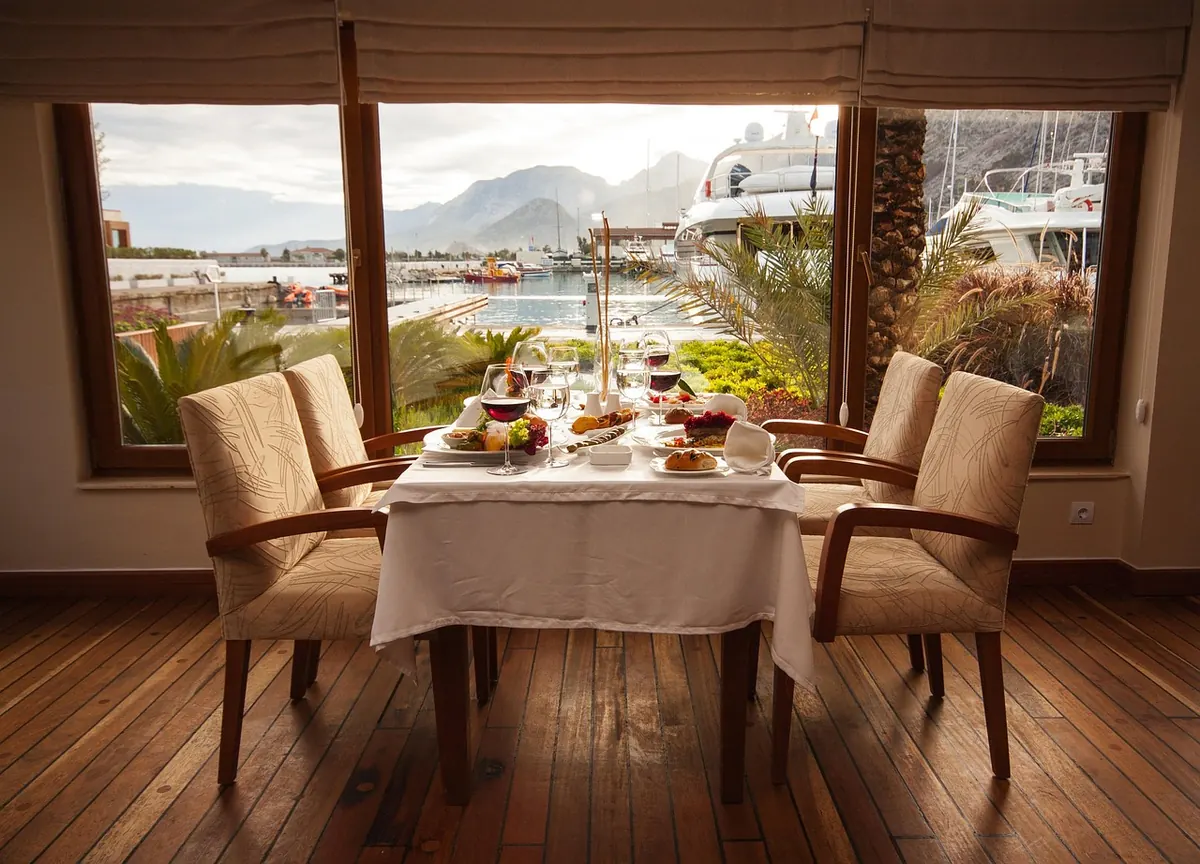
Seaside Dining Etiquette: A Beginner’s Guide to Ordering Like a Local
You sit down at a coastal restaurant just as the light turns gold. The menu is handwritten, the waiter is reciting the catch, and the table next to you is already sharing a plate of something you can’t quite identify. This is the moment when many visitors reach for the safest option—pasta with tomato sauce, a glass of white—and quietly give up on the rest of the menu. That’s a shame. Ordering like a local at the seaside is rarely about secret phrases or insider knowledge. It is mostly a set of small, sensible habits: knowing when to eat, how to ask about the catch, and how to let a meal unfold at the right pace.
Arrive on local time
Coastal kitchens have rhythms. In many island and seaside towns, lunch is the main event and dinner starts later than visitors expect. If you turn up at 5.30 p.m. hungry for a full seafood feast, you may find a kitchen still prepping for the evening, or a dining room empty enough to make you feel awkward. Look at the restaurant’s posted hours, then look at the tables: if locals are still drinking coffee after lunch, dinner service probably hasn’t begun.
A useful habit is to book or arrive within the first half-hour of service. You get the freshest attention from the kitchen, a calmer room, and a better chance of the day’s best fish. Arriving at the end of service is fine for a drink or a simple plate, but not ideal for asking the waiter to explain six unfamiliar dishes.
Learn to scan a seafood menu
Menus vary from island to island, but the structure is usually familiar. Antipasti are small plates, often cold or room-temperature: marinated anchovies, grilled vegetables, shellfish, bruschetta. Primi are the pasta or rice course—seafood risotto, spaghetti with clams, a brothy soup. Secondi are the main event, usually a whole fish, fillets, or shellfish served simply. Contorni are side dishes, and dolci are desserts.
The phrase that matters most is usually some version of “catch of the day” or “today’s fish.” Ask what it is, where it comes from, and how it will be cooked. A good coastal kitchen will answer without fuss. If the answer is vague, choose something else. Fresh fish does not need a long explanation; it needs a grill, a little olive oil, lemon, and salt.
Three questions worth asking
- “What came in today?” This tells you what the kitchen is genuinely excited about.
- “How is it served?” Whole, filleted, in a broth, or raw. The answer changes how easy the dish is to eat.
- “Is it enough for one, or should we share?” Portions vary, especially with whole fish and shellfish platters.
Ordering a whole fish without anxiety
At many coastal restaurants, the whole fish is the centrepiece. It arrives on a plate with head and tail intact, and the table goes quiet while everyone decides who is going to deal with it. Don’t panic. Ask the waiter to fillet it at the table if you are unsure; this is a normal request in seafood places. If you want to do it yourself, work from the backbone outward, lift the top fillet away, and then ask for the skeleton to be removed before you tackle the other side.
It also helps to confirm the weight or size before it is cooked. A whole fish for two might sound modest until it arrives. A simple “Is that a good size for two?” is enough. And if you are sharing, ask for a second plate—most kitchens will provide one without drama.
Follow the table customs, not the internet
Seaside table customs are local, not universal. Bread may be brought without being ordered; olive oil may be on the table; water may be still or sparkling by default. Watch what the next table does, then ask if you are unsure. “Is the bread part of the cover charge?” is a perfectly reasonable question in places where a small cover charge is listed. You are not being difficult; you are being clear.
Pace matters more than any single rule. In coastal towns, a meal is often meant to take time. Ordering an antipasto, then a primo, then a secondo is normal; ordering all three at once can rush the kitchen and leave your table crowded. If you want a lighter meal, say so: “We’d like to share a few small plates and then decide.” Good waiters will adjust.
On wine, the safest habit is to ask for something local and simple. You do not need to know the label. “What do you drink with this fish?” is a better question than a long explanation of your usual preferences. If you are not drinking, ask for sparkling water with lemon or a non-alcoholic aperitif; nobody will press you.
Use simple phrases that keep things smooth
You do not need fluent Italian, Greek, Spanish, or anything else to order well. You need a handful of polite, direct phrases and the confidence to use them. Pointing at a menu item and saying “This one, please” works. Asking “Is this very salty?” or “Is this spicy?” is useful. So is “Could we have a little more time?” when the waiter appears too soon.
Here is a practical sequence for a first coastal dinner:
- Order water and ask about the catch before committing to the full meal.
- Choose one shared antipasto or a small plate to start.
- Ask how the whole fish is served and whether it is enough for the table.
- Add a simple side—grilled vegetables, potatoes, or a green salad—rather than ordering too many dishes at once.
- Pause before dessert. If the kitchen is busy, coffee and a small sweet may be the better ending.
When the bill arrives, check whether service is included. Customs vary by island and venue, so ask rather than guess. If service is not included, a small cash tip or rounding up is a normal gesture in many places; if you are unsure, ask the waiter politely. Keep money matters simple and unemotional, especially in small family-run places.
Handle problems quietly and early
If a dish is not what you expected, say something at the first bite, not after the plate is empty. “I’m sorry—I thought this would be grilled, not fried” is clear and calm. Most coastal restaurants would rather fix a misunderstanding than have you leave unhappy. If the fish is undercooked or the shellfish tastes off, stop eating and ask the waiter to take it back. This is a food-safety issue, not a matter of being fussy.
And if you are unsure about allergies or dietary needs, mention them before ordering. Coastal kitchens handle seafood all day, but cross-contact and hidden ingredients are real concerns. Ask what is in the dish and how it is prepared. If you have a serious allergy, seek professional medical advice before travelling and carry whatever you need; a restaurant is not the place to improvise.
A short checklist for your first coastal dinner
Ordering like a local is not a performance. It is a way of paying attention: to the time of day, to the catch, to the pace of the table. Use this checklist and you will avoid the common mistakes without losing the pleasure of a long seaside meal.
- Check service hours before you leave your room; lunch and dinner may start later than you think.
- Ask what is fresh today, then keep the order simple.
- Confirm the size and serving style of whole fish before it goes on the grill.
- Order in courses, not all at once, and ask for more time when you need it.
- Ask whether service is included before you settle the bill.
- Speak up early if something is wrong, especially with undercooked seafood.
Do that, and the meal will feel less like a test and more like what it should be: a slow table by the water, a plate of something just pulled from the sea, and no hurry to be anywhere else.
Photo: Engin_Akyurt / Pixabay
Related Articles